

SME
Description
BioTalentum Ltd. is a leading technology provider in Europe since 2005. We help biotech and pharma R&D teams de-risk preclinical pipelines using human iPSC-based models (2D/3D in vitro NAMs) and CRO-grade assays, generating decision-ready data that supports drug and ATMP development and regulatory progression. We also have our own T1D cell therapy ATMP development pipeline. As the most successful enterprise in Hungary to obtain EU Framework program funding, we also provide consultancy and project submission/management/business development services by our Consulting Branch.
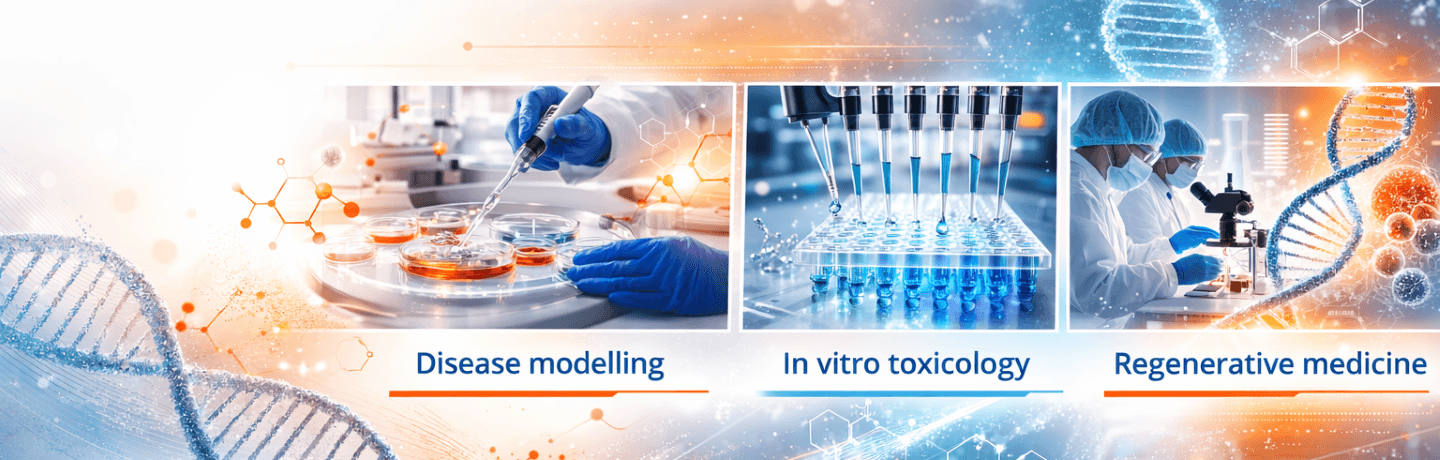
BIOT’s core strength lies in stem cell research - particularly the use of human pluripotent stem cells—to model diseases, explore drug mechanisms of action, and conduct safety assessments. The company develops genetically modified cell lines and animal models that directly support the creation of new diagnostic, therapeutic, and regenerative medicine solutions. Our goal is to rapidly translate scientific discoveries made in the laboratory into clinically applicable innovations - whether addressing diabetes, neurological disorders, cardiovascular diseases, or rare diseases.
With multidisciplinary expertise and state-of-the-art laboratory infrastructure, our researchers provide partners with comprehensive biomedical research and development services, ranging from basic research to preclinical studies.
BioTalentum Ltd. is an active participant in both national and international scientific communities: over the past 20 years, it has contributed to more than 50 EU health research projects, serving as a coordinator in 9 of them. Through its partnerships, it collaborates with leading EFPIA Pharma companies, universities, hospitals, research institutes, and other industry stakeholders to ensure that new scientific results are translated into medical practice quickly and efficiently.
Its mission is to contribute to the prevention of diseases, more accurate diagnosis, and more effective treatments through cutting-edge stem cell–based and genetic engineering innovations—ultimately improving patients’ quality of life.


